If you love dogs and enjoy spending time outdoors, dog walking can be a very rewarding way to earn extra income or just add some joy to your day. Getting started might feel a bit intimidating if you haven’t done it professionally before, but with the right steps and some preparation, you can turn your affection for pups into a fun new business. I’ll walk you through what you should know as a beginner so you have a great experience from the very first day.
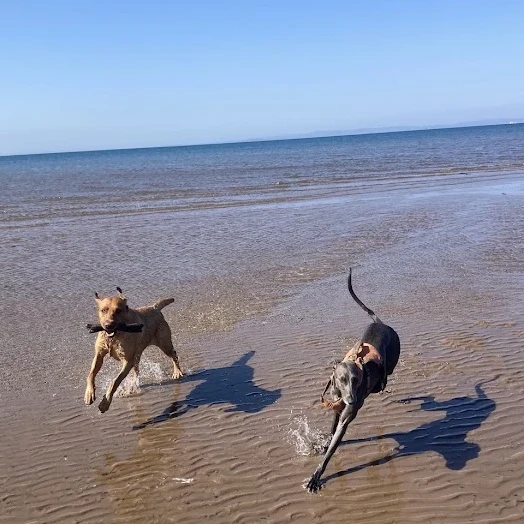
Why Dog Walking Is Worth Considering
Dog walking isn’t just about exercise; it’s also about giving dogs companionship, mental stimulation, and a rich social experience. The pet industry is growing, and more people are searching for trustworthy dog walkers as their schedules get busier. That means there’s real demand for anyone willing to commit to being reliable and caring around animals.
Knowing why people hire dog walkers helps new walkers see where they fit in. Lots of owners work long hours or travel and want someone who’ll treat their pets like family. Your job is more than strolling around the block; you’re creating a better day for the dog, while giving peace of mind to its owner.
Dog walking as a paid service really took off in the last decade alongside local pet sitting businesses. It gives people a way to work flexible hours, spend time outside, and connect with their community—all while hanging out with some very cute clients. For animal lovers who want a flexible job or a breather from desk work, dog walking is an great option that doesn’t require a huge upfront investment, just genuine care and reliability.
First Steps For New Dog Walkers
Starting out with dog walking involves a bit of planning. You’ll want to focus on being practical and prepared so that every walk goes smoothly for you, the dog, and the owner. Here are a few basics to keep in mind:
- Research Your Area: Know the local parks, quiet routes, and areas to avoid, like busy streets or places with aggressive off leash dogs.
- Understand Common Dog Behaviours: Dogs communicate a lot through body language. Learn basics like tail position, ear posture, and pacing so you can spot if a dog feels nervous or playful.
- Review Any Medical Needs: Ask every owner about allergies, medications, or any restrictions their pup has before the first walk.
- Carry The Right Supplies: A leash, waste bags, water, treats, and sometimes a towel for muddy paws will be your go to gear.
It’s not only about having a good time; being prepared means you’ll handle tricky situations confidently, and owners will see you know your stuff.
How To Start Your Dog Walking Routine
Jumping into dog walking can feel easier if you split your preparation into small steps. Here’s how I recommend you set yourself up for success:
- Set Clear Goals: Decide if you want to walk dogs fulltime, part time, or as an occasional side hustle.
- Create a Simple Resume or Profile: Add any experience with animals, including pet sitting and volunteering.
- Start With Friends and Family: Offer to walk neighbours’ or friends’ dogs for feedback and references. This builds confidence and a track record.
- Sign Up For Facebook and Instagram: Apps like these let you create profiles and connect with clients.
- Build a Routine: Arrive on time, greet the dog calmly, put on the leash, and take them out for their scheduled walk. Stick to the owner’s instructions about routines and where to put them after their walk if they are dirty etc.
Over time, you’ll get to know the dog’s favourite spots, walking pace, and how to make every outing both safe and enjoyable. Little steps in preparation make a big difference, helping you adapt as you meet more dogs and different personalities.
What To Know Before Taking On Clients
No matter how much you love dogs, there are a few things worth checking out first. Getting ready for these common situations helps you tackle the job with more confidence:
- Dog Sizes And Strength: Big or reactive dogs need a firm grip and more control, while small dogs require gentler handling. Make sure you’re realistic about what you can handle alone.
- Leash Manners: Not every pup knows how to stroll calmly. Some might pull or get distracted. Being patient and consistent with leash training tricks is very helpful.
- Multiple Dogs: Walking more than one dog adds complexity. Each dog’s behaviour affects the group. It’s smart to get experience with single dogs first then get them into small groups.
- Weather Surprises: Check the weather before you go. Always have a backup plan for hot, cold, or rainy days. Some breeds struggle more in certain conditions, so keep an eye on them for signs of stress.
Tackling Common Challenges
Dog walking comes with a learning curve, especially when things don’t go according to plan. Here’s how I handle some of the trickier moments:
- Loose Dogs: Stay calm. Shorten your leash, keep your dog close, and move in a different direction if you spot another dog off leash, speak to the owner where suitable and see if they can interact, but be careful.
- Unwanted Behaviours: Jumping, barking, or stopping to sniff every tree can slow things down. Simple commands like “heel” or “leave it” (taught with treats and a positive tone) go a long way.
- Messy Situations: Dogs sometimes find mud, garbage, or worse. Carrying wipes and knowing where the nearest water is can save the day (many a river has saved the day).
Staying positive and expecting a few surprises makes everything less stressful. Talk with the owner beforehand about the dog’s triggers or quirks, so you’re ready for anything. You can also check out some video tutorials or online forums for problem-solving tips from experienced walkers.
Picking The Right Gear For Dog Walking
Just like any outdoor activity, having smart gear choices on hand makes life easier. Here’s what I’d recommend for every walk:
- Strong, Comfortable Leashes: A standard 4-6 foot leash is ideal for most situations. Retractable leashes can tangle easily, so I stick to classic ones for safety, I also use my own leads as it’s not a problem if they got broken or lost when the dogs are off leash.
- Poo Bags: Always bring extras, so double up for longer walks.
- Water And Portable Bowls: Especially important on hot days or for older dogs. A collapsible water bowl doesn’t take much space in your bag.
- Treat Bag: A few small rewards help with recall, teaching, and making friends with nervous pups, however in some groups I don’t take them as the dogs interest in food can become greater than their interest in playing.
- Identification: Make sure every dog wears a tag with the owner’s number, just in case and even better have your own which you can clip on.
If you decide to walk at dusk or dawn, consider a reflective vest or LED collar to make both you and the dog more visible to drivers and cyclists. Safety is always a top priority, and a little preparation helps avoid potential trouble, especially in crowded environments for example car parks.
Take Your Dog Walking Game Up a Notch
Once you’re comfortable with the basics, here are a few ways to make your service even better:
Offer Updates To Owners: Snap a photo on your phone and share a quick note after the walk. Owners love knowing their pets are happy and safe.
Try Out Different Routes: Dogs (and walkers) get bored with the same streets. Mixing up the walk with new parks or quiet paths keeps things fun and mentally stimulating.
Keep Learning About Dog Training: Pick up simple training books or follow dog trainers online. Even basic tips can make your walks smoother and show owners you’re committed to improving.
Build Strong Relationships: A quick chat with the owner before or after walks can go a long way. Listen to their concerns, and remember their preferences for their dog’s care. Being personable and professional helps you get more business through positive word of mouth.
These small extras can help you grow your reputation and get repeat clients. You can also offer seasonal add-ons like towel-drying dogs in the rain or bringing dog-friendly treats with the owner’s permission, which show you’re thinking ahead and truly care. I always say to customers that they should leave a towel by the door for an extra wipe before they enter the house.
Common Questions I Hear from New Dog Walkers
Here are answers to a few of the most frequent questions I get from folks starting out:
How do I handle a dog that pulls on the leash?
Answer: Use treats to reward calm walking, and stop moving if the dog pulls. Wait for them to return to your side, then continue. Patience pays off over time.
What if a client’s dog doesn’t like me at first?
Answer: Always let the dog come to you. Offer a treat and speak in a calm, friendly tone. Some dogs are nervous with new people but usually warm up after a couple walks.
Should I walk dogs in groups or just one at a time?
Answer: It’s best to start with solo walks while you’re learning or if you have your own well trained dog(s) take them with you on the trial, this reduces stress as you know your own dogs and can focus on the new one and let’s you know how they interact. Handling more than one dog takes practice and confidence in reading different personalities.
Do I need insurance to walk dogs?
Answer: In many cases, yes. Being insured gives both you and the owner peace of mind if something unexpected comes up. Many apps or agencies require it already, and you can find individual liability insurance plans for pet professionals at a reasonable rate.
Bringing Value To Dog Owners
New walkers often wonder how they can stand out in the crowd. Here’s what dog owners really care about and how you can show you’re a good fit:
- Reliability: Always be on time and stick to what you agree on. Owners remember when you’re dependable, however try and get flexibility from the owners, lots of people are and if you can have flexibility it makes it much easier in the long run as you grow your business. I also have many dogs who’s owners work shifts and most people with dogs are decent if you ask in advance for a change of walks due to someone really needing their dog walked around that time.
- Communication: Give updates, mention any unusual behaviour, and keep lines open so owners trust you with future bookings.
- Safety Awareness: Notice things like loose fences, busy crossings, or local dogs off leash. Sharing these observations helps everyone stay safe. Also link in with local dog walkers, their are lots of groups on WhatsApp and Messenger where we share if there is a lot of wildlife in an area, or a farmer has installed a gas gun for scaring birds etc.
- Flexibility: Sometimes, clients need last minute changes. Being accommodating (when reasonable) builds trust and drives word-of-mouth referrals.
Building strong relationships with clients gets you noticed and leads to more walk requests. Always keep open communication and provide honest feedback about their pet’s well-being and any issues you notice on walks.
Wrapping Up For Beginners
Dog walking is a fun mix of activity, responsibility, and animal care that fits nicely into a lot of lifestyles. The most important part is always being prepared, patient, and positive. Each walk is a fresh chance to connect with a dog while making a pet owner’s life a little easier.
Stick with it, learn from each experience, and before long you’ll have regular clients and happy dogs looking forward to your next outing. Have fun and enjoy the adventure; with each walk, you’ll pick up new tricks and stories that make it truly rewarding!